
If you attend a classic “singspiration” at a church gathering or the funeral of an older person, the odds of you singing or hearing this song are pretty high.
At least in my experience. Along with “Somewhere Over the Rainbow,” this one seems to rank up there as one of the all-time favourites for people from the middle of the 20th century.

“I Come to the Garden Alone,” also known as “In the Garden,” is a hymn with lyrics written by American songwriter C. Austin Miles in 1912. The hymn is based on an experience Miles claimed to have had in his garden while reflecting on the biblical account of Mary Magdalene encountering the risen Christ in the garden near the tomb.
Interestingly, I also find that many people are unaware of the song’s connection to Jesus’ resurrection and his appearance to Mary of Magdala. They latch onto the personal nature of the song as they think about God’s abiding presence with them, but they don’t know that the song originated from someone’s literal meeting with Jesus in a garden while he was still on Earth.
According to Miles, he was inspired to write the hymn after reading the Gospel of John, specifically the passage about Mary Magdalene’s encounter with Jesus on the morning of His resurrection (John 20:11-18). In this account, Mary goes to the tomb and, finding it empty, encounters Jesus, whom she initially mistakes for the gardener. It’s at this point that Jesus reveals Himself to her, saying her name, and Mary responds, “Rabboni!” (which means “Teacher”).
Miles was deeply moved by the idea of a personal, intimate relationship with Jesus, akin to the relationship between the gardener and the visitor in the garden. This inspired him to write the lyrics to “I Come to the Garden Alone” as a reflection on the joy of communing with Christ in a quiet and solitary place, similar to the garden setting in the biblical narrative.
The hymn has resonated with many over the years for its emphasis on the personal connection with Jesus and the sense of peace and communion found in spending time alone with Him.
But more significantly, its lyrics speak to the profound experience of encountering the risen Christ in the garden. Oh, what a day that must have been! I would love to hear Mary’s first-hand account of it someday.
By the way, C. Austin Miles wrote and contributed to several Christian songs. Did you know that he wrote a hymn entitled, “In the Upper Room” (1898)? Perhaps we’ll take a look at that song in a future post.
 “Joy to the World” as a hymn that reflects on the universal joy that should accompany the coming of the Lord, drawing inspiration from Psalm 98. The lyrics of the song were penned by Englishman Isaac Watts, a prolific hymn writer. The “Father of English Hymnody” published the lyrics in 1719 as part of his collection of hymns titled “The Psalms of David Imitated in the Language of the New Testament.”
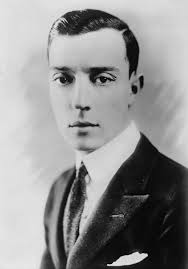 Born in 1819 in Ireland, Joseph Scriven was known as a hard-working, generous man. He loved serving others. He graduated from Trinity College in Dublin at the age of 24, and in 1844 he had plans to get married.
 As the national anthem played and the gold medalist stood there proudly looking at their nation’s flag, I thought, “What?! For real?!”
 Okay, now on to the point of this post. Did you know that “Come Thou Almighty King” was once sung to the same tune as “God Save the King”?